





$79.00
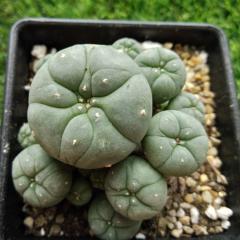
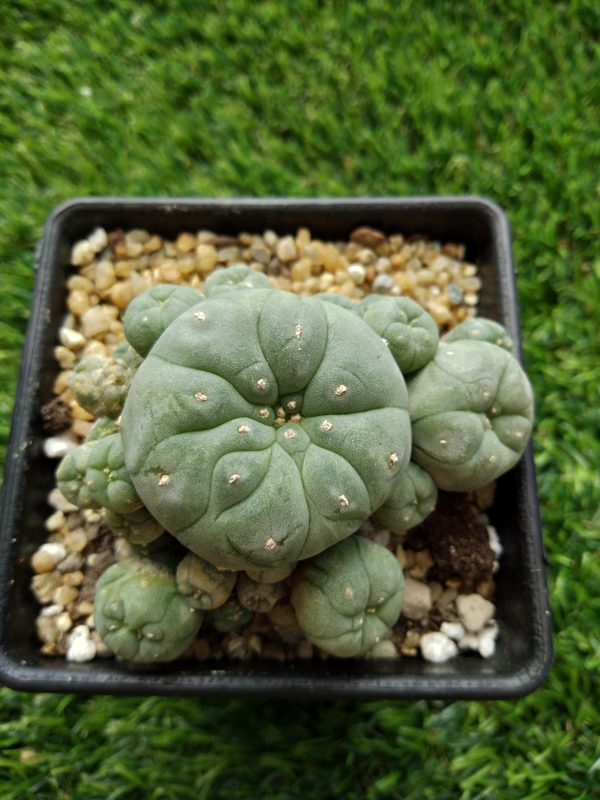
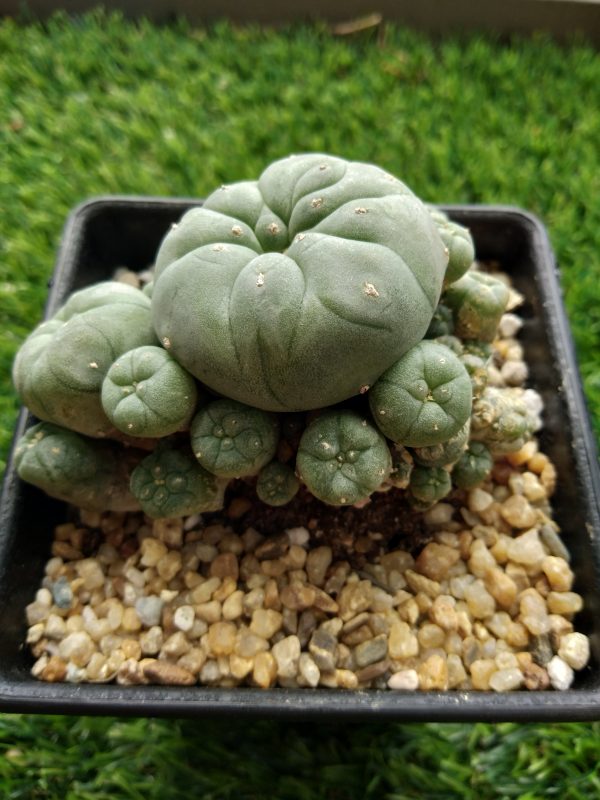
L w Variety Caespitosa (4 to 4.5 cm)
A pristine, multi-headed specimen cultivated for serious collectors. Hard-grown on its own robust taproot never forced or degrafted this established 4 to 4.5 cm cluster features tightly packed crowns, proven meristems, and exceptional rot resistance.
L w Variety Caespitosa 4 to 4 5cm: The Master Collector’s Acquisition and Cultivation Dossier
You know how frustrating it is to hunt for a genuine, multi-headed button cactus, only to be burned by bloated seedlings or unrooted degrafts masquerading as premium stock.
Acquiring an authentic L w variety caespitosa 4 to 4 5cm specimen is a major milestone for any serious grower. This guide ensures you receive a structurally sound, taproot-anchored, heavily clustered plant every single time.
Below, we detail root-system verification, mineral substrate compounding, and environmental tuning for an established caespitosa cluster.
Our protocols are developed from over 15 years of specialized xerophytic cultivation and thousands of verified specimen shipments.
What Makes the L w Variety Caespitosa 4 to 4 5cm the Collector’s Sweet Spot?
In cactus cultivation, size benchmarks represent physiological transitions.
A specimen measuring under 3 cm is still navigating fragile juvenile stages. Its epidermis is thin, its cluster points (meristems) are unproven, and its root core remains vulnerable to minor hydration errors.
Conversely, specimens exceeding 7 cm are magnificent centerpieces, but they command prices well above $200. They also suffer significantly higher shipping stress due to root ball mass and offset friction.
The L w variety caespitosa 4 to 4 5cm represents the ultimate balance of maturity, resilience, and value.
At this exact scale, the plant has transitioned from a solitary button into an active, polycormic growth habit.
Secondary and tertiary offsets (pups) are no longer micro-tubercles. They have formed distinct areoles and are actively photosynthesizing on their own.
Seed-Grown Taproot vs. Degrafted Cluster: Anatomy & Verification
The market has one major issue you must navigate: degrafted clusters sold at seed-grown prices.
A degraft occurs when a grower takes a micro-pup, grafts it onto fast-growing rootstock (Trichocereus, Pereskiopsis, or Harrisia), forces rapid growth under heavy fertilizer, and cuts it off once it hits 4 cm.
These plants often lack true taproots and struggle to survive long-term.
The Seed-Grown Taproot Architecture
True seed-grown specimens develop a subterranean, carrot-shaped taproot (napiform storage root).
This root stores vital water and nutrients. It acts as an underground anchor and water reservoir, allowing the plant to pull itself level with the soil during extreme dry spells.
When you buy a true seed-grown 4–4.5 cm cluster, the underground biomass should equal at least 50% to 70% of the above-ground cluster mass.
The Degraft Identifier
Degrafts lack this deep, singular subterranean anchor.
Instead, inspect the underside: you will see a flat, calloused disc where the scion was severed from the donor rootstock.
Roots emerging from a degraft are thin, adventitious, and spread laterally. While they can survive, they lack the drought resistance, longevity, and historical collector value of a plant grown entirely on its own root system from day one.
The $79 Benchmark: Market Economics and Authenticity Checks
In specialist collector markets, an authentic, taproot-supported Lophophora williamsii Caespitosa 4 to 4.5 cm commands a baseline price of roughly $75.00 to $95.00 USD.
Why does this specific pricing window hold so firmly across global collector circles? It comes down to growth speed and survival rates:
- Year 0–2: Seed germination and nursery stabilization. High mortality rates from damping-off and sciarid fly larvae. Size: 0.5 cm to 1.5 cm.
- Year 2–4: Transition to secondary clustering phase. Slow, hard cultivation requires micro-dosed nutrients and low-moisture cycles to prevent skin splits. Size: 2.0 cm to 3.5 cm.
- Year 4–6: Emergence of true caespitose architecture. Main crown reaches 2.5–3 cm, flanked by 3 to 7 distinct, tightly packed side crowns, bringing total cluster width to 4.0–4.5 cm.
When you evaluate a specimen priced at $79, apply this inspection rubric before purchasing:
To cross-reference botanical records on morphological variations within the genus, consult the comprehensive taxometric databases hosted by The Royal Botanic Gardens, Kew. This helps verify legitimate phenotypic traits versus mutations.
Unboxing and Bare-Root Rehabilitation Protocol
Acquiring your plant is only half the battle. The first 72 hours after transit determine whether your 4–4.5 cm specimen thrives or rots.
Specialist plants should always be shipped bare-root—devoid of moisture, soil, or organic matter that could fuel rot inside a dark transit box.
1. Thermal Equilibrium (Hours 0 to 4)
Do not immediately unwrap the cotton or tissue paper upon delivery.
Allow the parcel to sit unopened at room temperature for three to four hours.
Rapid shifts from cold cargo holds to warm indoor environments cause condensation on the cactus’s skin. This moisture can wake up dormant fungal spores within the areoles.
2. Physical Inspection & Meristem Audit (Hour 4)
Unwrap the specimen under clean, diffused light.
Use a 10x jeweler’s loupe to inspect the deep crevices between the central head and secondary offsets:
- Pest Sweep: Look for the white cottony webbing of mealybugs (Pseudococcidae) or the red pinprick bodies of false spider mites (Brevipalpus).
- Collar Integrity: Gently squeeze the root collar right below the green skin line. It should feel firm, like a dense turnip. If it compresses easily, stop and move the plant to intensive dry-air drying.
- Mechanical Splits: Minor, clean splits along the ribs from transit impact are common. Dust them with micronized elemental sulfur immediately.
3. Root Trimming and Callousing (Days 1 to 7)
Do not rush this plant into soil.
Trim dead, brittle, hair-like feeder roots back to the primary taproot using sterilized shears. This encourages fresh adventitious root growth once potted.
Leave the thick secondary roots untouched.
Place the specimen upright in an empty, unglazed terracotta pot or on a dry, lint-free paper towel in a warm room (21°C–24°C / 70°F–75°F) out of direct sunlight for seven full days.
Any micro-fractures in the root tissue must dry and callous completely before meeting substrate.
Substrate Engineering: The 90/10 Mineral Ratio
Standard potting mix, commercial cactus soil, and peat moss will quickly kill an established L w variety caespitosa 4 to 4 5cm.
In their native habitats—such as the Chihuahuan desert—these plants grow in alkaline, limestone-rich soils with almost zero organic material.
Water drains instantly, leaving only trace moisture within the pores of surrounding rock.
The Mineral Master Formula
To keep a multi-headed caespitosa thriving long-term, use this custom mineral blend (particle sizes: 2 mm to 5 mm):
- 30% Hard-Fired Japanese Akadama (Double Red Line or brand equivalent): Buffers moisture, releases minerals slowly, and changes color to visually show when the pot is dry.
- 30% Horticultural Pumice: Provides aeration, prevents compaction, and resists structural breakdown.
- 15% Crushed Black or Red Scoria (Lava Rock): Adds structural porosity and iron traces.
- 10% Calcified Zeolite (Clinoptilolite): Delivers a high Cation Exchange Capacity (CEC) to absorb and release nutrients without altering pH.
- 5% Crushed Dolomitic Limestone / Caliche Grit: Buffers root pH to an optimal, slightly alkaline range (7.5 to 8.3).
- 10% Screened Worm Castings or Aged Pine Bark Compost: Provides natural humic acids and micro-biology. Sift out all dust and particles smaller than 1 mm.
Review research on xerophytic desert plant adaptions from Texas A&M AgriLife Extension to understand how limestone-dense substrates prevent underground root rots in native Texas-Mexican flora.
To master the nuances of container depth and seasonal care, read our companion guide on advanced mineral potting strategies.
Cultivation Diagnostics: Lighting, Irrigation, and Seasonal Adjustments
A mature, clustering caespitosa has complex physical dynamics.
Because the plant packs multiple heads tightly together, humidity and stagnant air easily collect in the seams between pups.
Use these environmental settings to prevent rot:
The “Bottom-Soak and Starve” Irrigation Cycle
Never top-water a clustering caespitosa. Water trapped between offsets cannot evaporate easily indoors, inviting crown rot.
- The Method: Place the pot in a basin filled with 5–7 cm of distilled water or low-EC rainwater.
- The Duration: Let the pot draw water upward through capillary action until moisture is visible just below the top-dressing layer (usually 15 to 25 minutes).
- The Drainage: Remove the pot and let excess water drain completely for 30 minutes. Never leave the pot standing in a saucer of runoff water.
- The Frequency: Water only when the entire substrate core is dry and the specimen shows slight wrinkle lines around the lower base of the offsets. In summer, this is roughly every 10–14 days. In late fall and winter, stop watering entirely.
To balance macro and micronutrients throughout the active growing season, review our breakdown on organic versus mineral fertilizers for slow-growth cacti.
Winter Dormancy: Non-Negotiable Rest
A dry winter dormancy is non-negotiable if you want your Lophophora williamsii Caespitosa 4 to 4.5 cm to stay compact and bloom reliably.
- Window: Late October through mid-March.
- Watering: Absolutely zero water. None. Not even misting.
- Temperature: Maintain day-to-night ranges between 5°C and 12°C (41°F to 54°F). The cold signals the plant to pause active growth.
- Visual Expectation: The entire cluster will shrink, soften, and pull slightly downward into the top dressing. This is a natural defensive posture. Do not panic and water it.
Pest Interception and Cluster-Specific Pathology
The compact, multi-headed structure that makes this cactus so desirable also makes it a haven for pests.
Treat prevention as an essential discipline rather than an afterthought.
1. False Spider Mites (Tenuipalpidae) & Red Spiders
These microscopic pests thrive in warm, dry setups.
They feed on the tender epidermis near the growth points of the heads, turning the skin into a rough, reddish-brown, scarred shell.
2. Root Mealybugs (Rhizoecus)
These insects hide underground, coating root tips in a white, waxy secretion and feeding on plant sap until the roots collapse.
3. Fungal Soft Rot (Erwinia & Fusarium oxysporum)
If an offset becomes dark, watery, and soft, fungal soft rot has set in. It spreads quickly through the central stem, so act fast.
For professional diagnostic guides on identifying desert plant pathogens, refer to the plant pathology resources maintained by the UC Davis IPM Program.
If you need to nurse a damaged specimen back to health, read our guide on rehabilitating dehydrated, bare-root cacti.
The Caespitosa Transformation Timeline
What happens when you cultivate a verified 4–4.5 cm specimen over several seasons?
Here is what your growth trajectory looks like under proper mineral cultivation:
Frequently Asked Questions
What does “variety caespitosa” mean compared to a standard form?
The term caespitosa describes a multi-headed growth habit.
Standard plants grow as a single button (solitary form) for decades, producing offsets only late in life or after severe physical damage.
The caespitosa form clusters early and continuously from its juvenile areoles. This creates a dense, multi-domed colony powered by a shared, massive root system.
How can I verify that my 4–4.5 cm specimen is seed-grown and not a cut-off graft?
Inspect the underside of the root core directly beneath the base of the cluster.
A seed-grown plant features a continuous, uninterrupted taproot that blends smoothly into the crowns without any flat transition plane.
Degrafts display a distinct, circular cut or scar where the scion was removed from the old rootstock.
Additionally, degrafts push out thin, fibrous roots spread randomly across the base, lacking a central, carrot-shaped taproot core.
Why is 4 to 4.5 cm considered the ideal size to purchase online?
Plants smaller than 3 cm lack water reserves and often dry out or fail during bare-root shipping.
Plants larger than 6 cm carry significant mass, making offsets prone to snapping off or bruising against the box during transit.
The 4 to 4.5 cm size hits the sweet spot: the taproot is fully formed, offsets are locked together, and the plant establishes quickly in fresh mineral substrate.
When should I give my new specimen its first water after unboxing and potting?
Wait at least 14 to 21 days after repotting before offering any water.
Potting creates small micro-fissures along the roots.
If water reaches these unhealed tears, fungal spores can enter the vascular tissue and rot the core within 48 hours.
Always let the root system callous fully in dry substrate before its first light bottom-soak.
Can I grow this plant on a standard sunny windowsill?
Generally, no. Windowsills rarely offer enough light intensity and usually lack the directional airflow these cacti need.
Without adequate sun, the tight cluster will etiolate—stretching upward, turning pale green, and losing its compact dome shape.
Grow it outdoors under 30% shade cloth, or indoors using a high-output LED panel that delivers 350–500 µmol/m²/s of PPFD on a steady 12-hour timer.
Why is an authentic 4–4.5 cm specimen priced between $75 and $95?
Growing this plant on its own roots from seed to a 4.5 cm clustered specimen takes between 4 and 6 years of careful, low-nitrogen cultivation.
The price reflects those years of bench space, electricity or greenhouse climate control, and low-moisture care needed to grow a compact, resilient plant rather than a fast-forced, water-bloated seedling.
The Verdict & Next Steps
Growing a pristine L w variety caespitosa 4 to 4 5cm comes down to balance and patience:
- Prioritize an authentic, unbroken seed-grown taproot over quick, fragile degrafts.
- Ditch peat and commercial soil for an 85%–90% inorganic mineral matrix.
- Water strictly from the bottom during active growth, and respect the bone-dry winter dormancy period.
Apply these cultivation standards, and your plant will transition smoothly from a collector-grade purchase into an exceptional heirloom centerpiece.
Inspect your collection, upgrade your mineral substrates, and secure specimens that carry genuine taproot provenance.
Be the first to review “L.W variety Caespitosa 4 to 4.5cm”
Related products


Lophophora Plants


Lophophora Plants

Lophophora Plants
Lophophora Fricii Plants
Lophophora Plants

Lophophora Plants

Lophophora Plants


Reviews
There are no reviews yet.